

A range of adult, young adult, and children’s books present information about the lives of animals with the aim of promoting human virtues, suggesting that humans and animals rest on the same moral foundation, despite the ways that humans have sought to distinguish themselves with language and culture and recorded history. These books are plausible – not just fantasies – because people who live closely with animals often come to see them as partners and friends, as beings capable of presenting moral challenges and moral examples. This situation is philosophy’s home territory: how do we distinguish between our wishes and fantasies (dressing animals in human clothing) and the real connections that make humans part of nature? What is uniquely human about human virtue, and what do we share with animals, perhaps even plants and ecosystems, that have also their own integrity and their own purposes?
Here are a few books that might help to open up that issue:
-
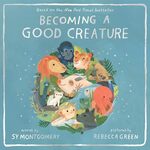
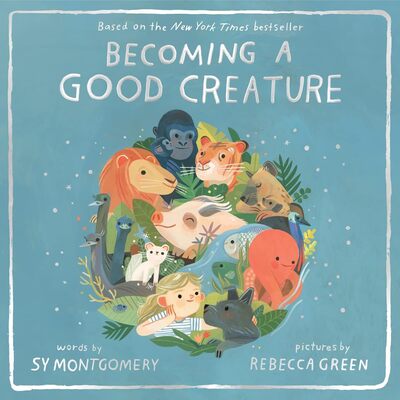
Becoming a Good Creature (2020) by Sy Montgomery
Samantha Piede
Becoming a Good Creature outlines moral lessons Sy Montgomery has learned from interactions with animals, both domestic and wild, such as “Love Little Lives,” “Don’t Be Afraid,” and “Make Your Own Family.” Our willingness to be attentive to other creatures – not just the ones like us with “two legs,” but also “four or even eight” – opens up the possibility of finding something ethically significant in these encounters. She tells us that “all have taught me something important about how to be a good creature in the world.”
-
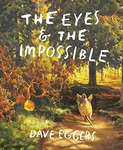
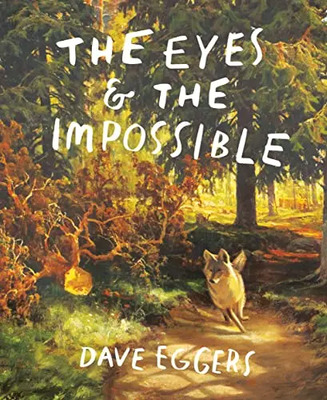
Eyes and the Impossible (2023) by David Eggers
Peter Shea
The Eyes and the Impossible joins the genre of talking animal stories, deepening that genre, suggesting new ways that the animal point of view could help humans understand their strivings for limitlessness and their temptations to retreat into a safe world. The dog narrator, Johannes and his animal friends and colleagues are all open to the world beyond their cozy home; they are willing to take great risks to learn something new. The book models the adventure of learning and growing up, without sacrificing the power of a great story.
-
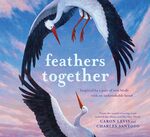
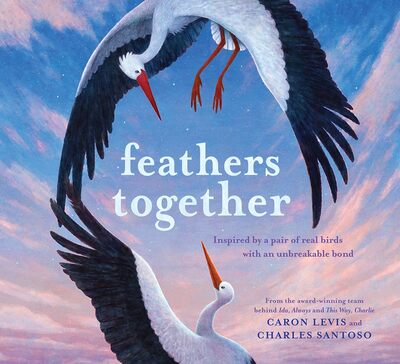
Feathers Together (2022) by Caron Levis
Maughn Rollins Gregory
Feathers Together tells the story of a mated couple of white storks who live and migrate together between Croatia and South Africa, until the female is wounded and can no longer fly. An elderly man builds a rooftop nest for them with a walkway for the injured female and cares for her when the male migrates. On one level, this story is standard animal fable that conveys truths and moral values about the human condition. But the book’s afterword, explaining that this is a true story, raises philosophical questions about the emotional lives of wild animals, the ethics of hunting and caring for them, and the possibilities of cross-species relationships.
-
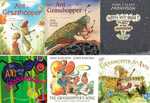
Grasshoppers, Ants, and Philosophical Fables
Maughn Rollins Gregory
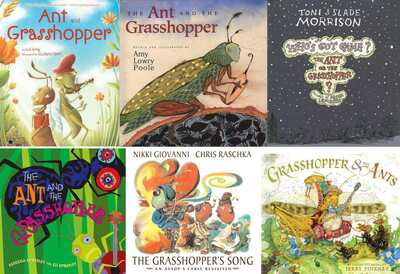
Aesop contrasted the ant’s virtues of industry, forward planning, and group loyalty with the idleness of a cicada interested only in merry-making and music-making. That contrast is challenged in many picture book versions of his fable. What does it mean to work? What is the value of making music and art? Can finding delight in an occupation be as important as denying gratification? When is it right to refuse help to someone who asks for it? This review compares six picture books—Ant and Grasshopper by Luli Gray (2011), The Ant and the Grasshopper by Amy Lowry Poole (2000), The Ants and the Grasshopper by Rebecca Emberley (2012), The Grasshopper & the Ants by Jerry Pinkney (2015), The Grasshopper's Song: An Aesop’s Fable Revisited by Nikki Giovanni (2008), and Who’s Got Game? The Ant or the Grasshopper? by Toni & Slade Morrison (2003)—that, together, turn Aesop’s fable into a philosophical quest.