

Many people, including children, find beauty and ugliness in nature: in texture, colors, patterns, and structures of natural objects and in the drama of large scenes and landscapes. Some of us have had philosophical discussions with preschool children about which insects are pretty, ugly, disgusting, or amazing. Artists sometimes look to nature for ideas, constructing objects and ‘performances’ celebrating its most remarkable features and also integrating natural sounds, images, locations, and patterns into their work. Jan Estep constructed a performance piece by engaging in meditation at each of the sites in the Grand Canyon where someone had taken their life. Annea Lockwood made a sound map of the Danube, taking samples at intervals with an underwater microphone. Andy Goldsworthy constructed elaborate ephemeral structures in forests and prairies, weaving grass and positioning hundreds of leaves. Remo Campopiano’s piece, 8-bit Ant Farm, combined computer equipment with 1000 live red ants.
Such pieces push against museum-centric ideas about works of art, and make viewers consider what aesthetic appreciation and artistic “intervention” are all about. They also raise ethical questions: are animals and natural objects at an artist’s disposal, like paint and clay, or do they have claims and dignity that should be respected? (Perhaps Campopiano’s live red ants did not want to be part of a living sculpture. Artists imitating Goldsworthy’s ephemeral pieces have disrupted landscapes and ecosystems.)
Some of the books recommended here explore how different kinds of things might seem beautiful to different creatures. Others convey how young people experience of beauty and order in nature. One documentary, from which one could extract usable excerpts, shows how a contemporary artist works with natural scenes and materials. In addition to using such media, teachers might simply present works of art, without much explanatory context, as starting points for these discussions.
-
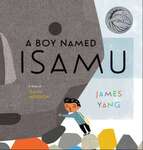
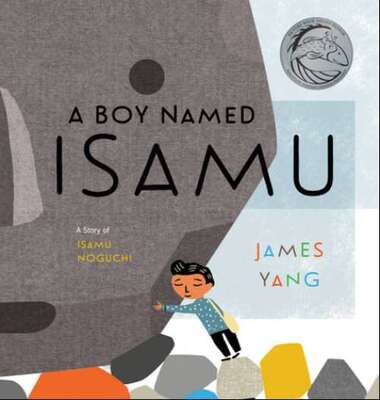
Boy Named Isamu (2021) by James Yang
Maughn Rollins Gregory
Author-illustrator James Yang imagines a day in the life of the artist Isamu Noguchi (1904-1988) as a young child whose curiosity and sensitivity lead him to appreciate the aesthetic qualities of his surroundings.
-
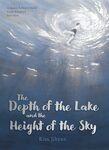
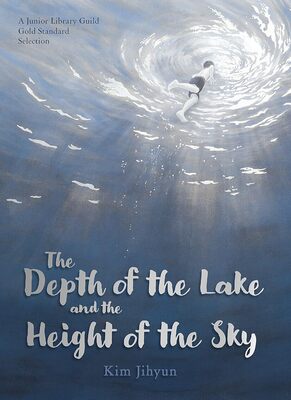
Depth of the Lake and the Height of the Sky (2017) by Kim Jihyun
Megan Jane Laverty
The Depth of the Lake and the Height of the Sky (2017) is KimJihyun’s first picture book; it is composed entirely of pictures. It “tells” the story of a young boy and his dog who spend a day swimming and sunbathing at a lake that is within walking distance from his grandparents' home, whom he is visiting with his parents. At first glance, the story might seem unremarkable, recounting an experience familiar to many. However, Kim’s illustrations challenge this assumption by drawing us into the boy’s encounter with nature. She creates a visual journey that guides us through a perceptual shift--one that inspires wonder at the extraordinariness of existence.
-
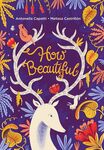
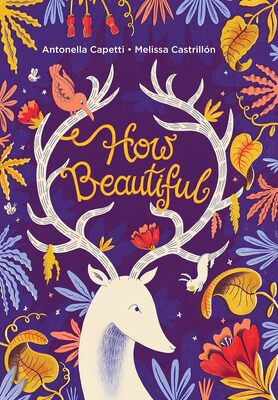
How Beautiful (2021) by Antonella Capetti
Maughn Rollins Gregory
The question of what is and isn’t beautiful occurs to the caterpillar in this elaborate picture book when a giant Unknown Thing (human) lifts him out of his familiar leaf bed world and tells him, “You’re so beautiful.” The caterpillar wonders, “But what does beautiful mean?” The question leads him on a day-long trek through the forest, where other animals offer a variety of perplexing answers.
-
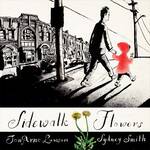
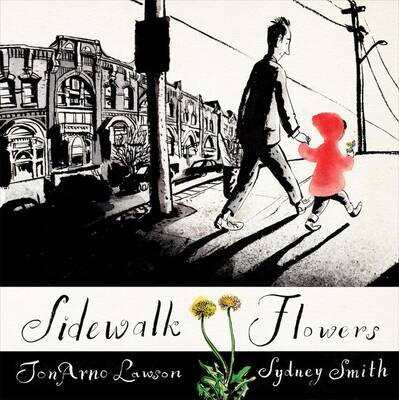
Sidewalk Flowers (2015) by JonArno Lawson
Samantha Piede
JonArno Lawson's Sidewalk Flowers centers on a little girl accompanying her father on a morning walk across a grey landscape. On the way, she spots dandelions sprouting out of the pavement. The protagonist's attention to this tiny, beautiful detail catalyzes her expanding appreciation for the rest of her environment, spurring her to notice beauty in unexpected places. This review suggests that Sidewalk Flowers richly introduces children to the philosophical theme of attention not with words, but with color.
-
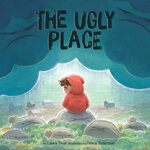
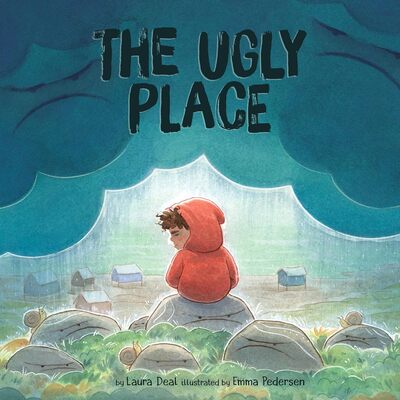
The Ugly Place (2022) by Laura Deal
Samantha Piede
Many of us can recall moments when we were stopped dead in our tracks and experienced selfless awe – sometimes in nature, sometimes in art, sometimes in the beauty of another person. The inarticulacy of these moments may present an interesting philosophical struggle for both children and adults trying to capture these phenomena. Still, the recognition that these moments are possible – and ethically significant – presents opportunities for rich discussion. The Ugly Place highlights the importance of moments in which we are reminded that we are not, in fact, the center of the universe – for it is more vast and beautiful than our anxieties.