

Often, our entrenched habits and ways of being in the world close us off from certain dimensions of meaning, preventing us from really seeing and attending to our surroundings. If we have little to do with animals, for example, we may lack the descriptive vocabulary that helps people pay close attention to animals on which they depend. These books offer opportunities for readers to shift their focus and experiment with new ways of perceiving: slowing down, being present (practicing non-distraction), and attending to details that they may miss at first glance. Readers confront the values of each way of seeing: which meanings emerge, which meanings recede into the background, with each change of ‘focus.’
Here are some books that illustrate different ways of being in nature, and raise questions about our options, as superbly flexible minds in a multi-dimensional world.
-
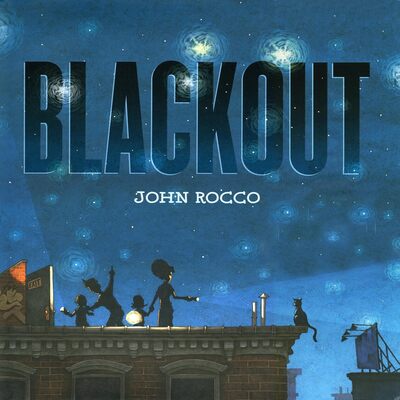
Blackout (2011) by John Rocco
Peter Shea
In this Caldecott Honor Book, Blackout, a hot urban night takes an interesting turn when the power goes out and an urban family -- each busy with something that requires electricity -- discover new things about themselves and their community.
-
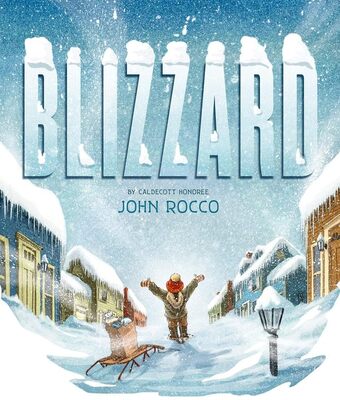
Blizzard (2014) by John Rocco
Peter Shea
Based on the author’s childhood experience, this book tells the story of a boy seeing his neighborhood transformed into an alien landscape by a superstorm and finding ways to get around in it when adults cannot. The book invites readers to re-see “normal” lives and to reconsider what is possible.
-
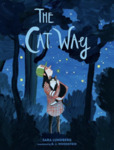
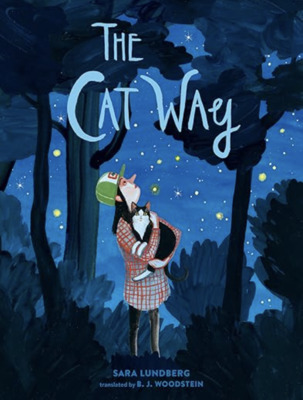
Cat Way (2024) by Sara Lundberg
Maughn Rollins Gregory
When a human gives her cat a turn to lead the way on their daily walk, they encounter the unexpected. The philosophical quandaries this story raises – When do routines become too confining? How do domestic habits prevent us from experiencing the natural world? Can humans and pets have genuinely inter-species relationships? – can be discussed and experimented with by people of most ages.
-
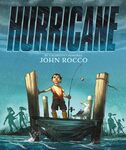
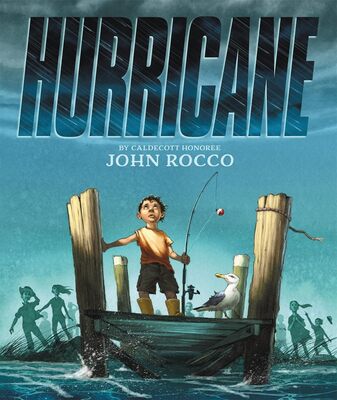
Hurricane (2021) by John Rocco
Peter Shea
This book pictures the devastation of today's powerful storms. The hurricane wrecks things and drives people from their homes. The boy in the story finds his beloved dock broken up, where he used to swim and fish. The story centers on cooperation and neighborhood resilience: people can get through disasters if they work together.
-
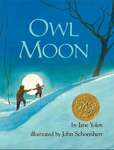
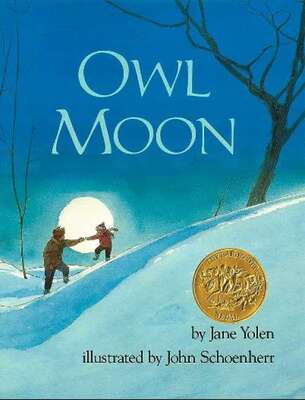
Owl Moon (1987) by Jane Yolen
Peter Shea
A father and daughter go out together at night to visit an owl. This simple story opens discussions about what fathers owe their children, about what humans owe to wild creatures, and about going outside our comfort zones – what we owe ourselves, as multi-dimensional beings enclosed in just one small life. The pictures take the reader along on this simple and astonishing adventure, a model perhaps for how adults can sometimes be helpful to children.
-
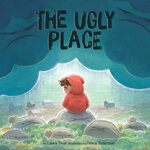
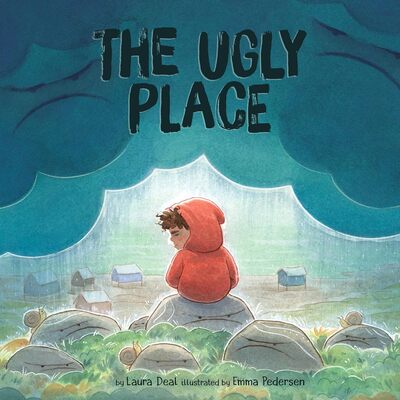
The Ugly Place (2022) by Laura Deal
Samantha Piede
Many of us can recall moments when we were stopped dead in our tracks and experienced selfless awe – sometimes in nature, sometimes in art, sometimes in the beauty of another person. The inarticulacy of these moments may present an interesting philosophical struggle for both children and adults trying to capture these phenomena. Still, the recognition that these moments are possible – and ethically significant – presents opportunities for rich discussion. The Ugly Place highlights the importance of moments in which we are reminded that we are not, in fact, the center of the universe – for it is more vast and beautiful than our anxieties.