

Children grow gardens, raise chickens, build tree huts, make mudpies and sandcastles, form relationships with their pets, and get to know a particular swamp or mountainside better than most adults in the community. Some even begin scientific or artistic careers this way. Although we can’t produce a discussion plan for a philosophic treatment of such possibilities, it seems important, in a bibliography on thinking philosophically about nature, to include some consideration of the options open to those who want to get closer to nature.
Reviews in this section are intentionally more about investigating than reflecting. The best books in this genre get people closer to events and actors and details in nature. That is a first step toward having questions and seeing puzzles and making up theories—the kind of thinking that can only emerge once one is engaged with the insistently strange things outside of one’s cozy and controlled human-world. We hope the books in this section help children and adults to go out and explore, as a prelude to talking about what it all might mean.
-
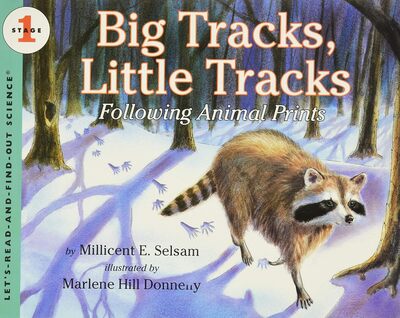
Big Tracks, Little Tracks: Following Animal Prints (1999) by Millicent E. Selsam
Maughn Rollins Gregory
Coming up with the most reasonable explanation of the available clues is something we all do on a daily basis. This book describes animal tracks as clues from which children can make inferences about what kind of animal left them and what they were doing when they did.
-
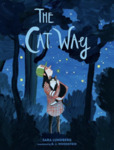
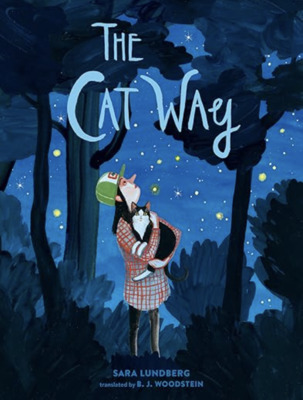
Cat Way (2024) by Sara Lundberg
Maughn Rollins Gregory
When a human gives her cat a turn to lead the way on their daily walk, they encounter the unexpected. The philosophical quandaries this story raises – When do routines become too confining? How do domestic habits prevent us from experiencing the natural world? Can humans and pets have genuinely inter-species relationships? – can be discussed and experimented with by people of most ages.
-
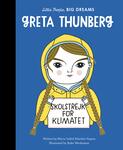
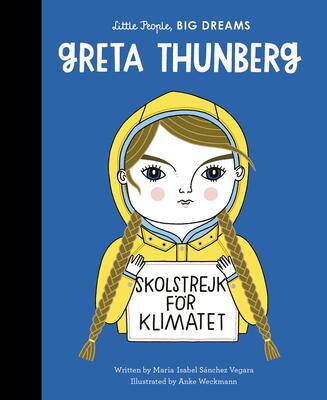
Greta Thunberg (2021) by Maria Isabel Sanchez Vegara
Maughn Rollins Gregory
Greta Thunberg learned about climate change in school at the age of eight, when she persuaded her parents to make lifestyle changes to reduce their carbon footprint. At fifteen, after winning a writing competition about the environment, she came up with the idea of a school strike, inspired by student walkouts in the United States to protest legislative inaction on gun control. Though she couldn’t interest anyone else in the idea, her one-child strikes soon gained international attention. Greta’s story demonstrates some of the challenges and gifts that neurodiverse children bring to activism. This book also prods adults to think of social change as children’s work, and to join them in strategizing and risk assessment.
-
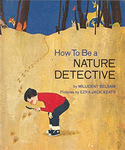
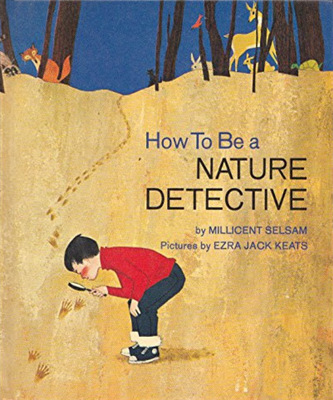
How to Be a Nature Detective (1966) by Millicent E. Selsam
Maughn Rollins Gregory
Coming up with the most reasonable explanation of the available clues is something we all do on a daily basis. This book describes animal tracks as clues from which children can make inferences about what kind of animal left them and what they were doing when they did.
-
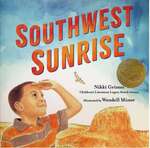
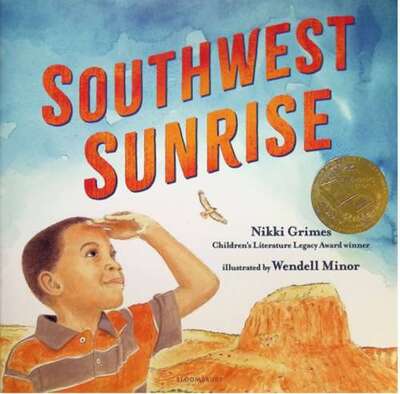
Southwest Sunrise (2020) by Nikki Grimes
Maughn Rollins Gregory
A genuine philosophical inquiry into the natural world has to begin with a genuine encounter with that world. In this arresting picture book by Nikki Grimes, a young boy named Jayden from New York City is forced into such an encounter when his parents relocate to the desert of New Mexico. This review focuses on suggestions the book offers for experiencing a natural landscape deeply, like slowing down, using all the senses, trying ‘beginner’s mind,’ making art, and using a field guide.
-
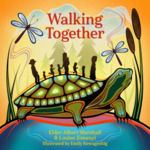
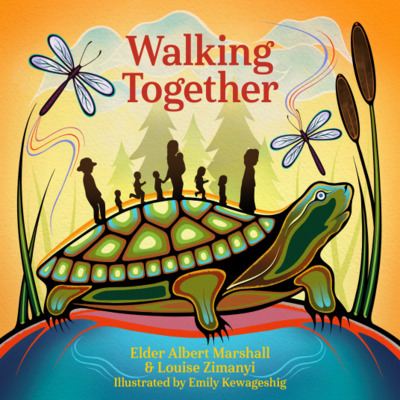
Walking Together (2023) by Elder Albert Marshall and Louise Zimanyi
Maughn Rollins Gregory
In the nineteenth and twentieth centuries American and Canadian government agencies and Christian churches established Indian residential schools where hundreds of thousands of children were “reeducated” in English and Christianity. They were not allowed to use their native languages or given names, to practice their religions, or to communicate with their siblings or parents. They were made to work in crop fields, kitchens, laundries, and industrial workshops. Many were physically and sexually abused. Many never saw their families again. The nine picture books reviewed here are accounts of survivors of residential schools from eight different Indigenous nations. In addition to depicting the violence attending these schools, the books show the courage and intelligent resilience of the resident children—inventing sign language to secretly communicate with each other, stealing food, and attempting escape. These books can help Indigenous families and descendants of settler colonizers explore this part of history in ways that may be uncomfortable but that will generate the kind of understanding of the past that can inform taking responsibility for the present and the future.
-
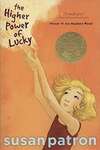
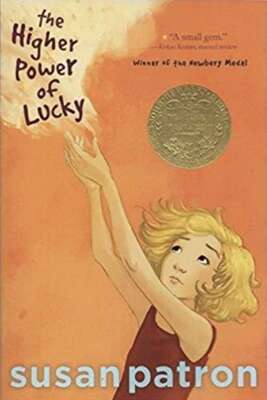
Higher Power of Lucky (2008) by Susan Patron
Maughn Gregory
Ten-year-old Lucky lost her mother in a freak accident; her father is missing, and she is being cared for by her father’s former girlfriend in a tiny town at the edge of the Mojave desert. That could be the set-up for a story of loss and poverty. But this girl lives up to her name: she takes scraps of information, chance experiences, and overheard theories as resources for imagining the world and plotting her way forward. She learns how things work from the desert animals and insects, with the help of her hero, Charles Darwin. She learns survival and a good attitude from her quirky neighbors, becoming a first-rate self-educator and independent thinker.