

-
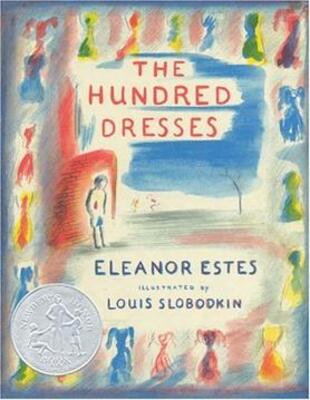
Hundred Dresses (1944) by Eleanor Estes
Peter Shea
Wanda Petronski was a poor Polish girl who lived with her father and brother. She had only one dress to wear to school but told the other girls in her class that she had a hundred dresses at home. Disbelieving her, those girls teased Wanda continually, until she and her family eventually moved out of town. When the class learned that Wanda had won an art award in absentia, they regretted their teasing and sent her a letter of apology, which resulted in an intriguing gesture of reconciliation. Moral development involves the moral imagination, which requires thinking oneself into the lives of others. One of the best ways to develop one’s moral imagination is to read good literature like The Hundred Dresses and reflect on it.
-
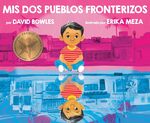
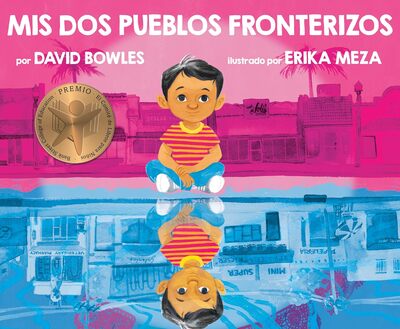
Mis Dos Pueblos Fronterizos / My Two Border Towns (2021) by David Bowles
Amy Reed-Sandoval
When children talk about migration and displacement, they generally speak and inquire about people. Why are some people forced to leave their homes—or why was I forced to leave my home? Why won’t other countries let them in—or why won’t other countries let my family and me in? What does it feel like to live in a shelter, or in a refugee camp, or on a bridge between two countries—or why must my family live this way, while others do not? This picture book shows how philosophical questions about migration can be inspired by, and embedded in, communities and characters that children can read, imagine, and care about. It emphasizes what young philosophers already know: that migrants are real people, living in real places, and embedded in real human relationships that are philosophically perplexing and deserving of collaborative analysis.
-
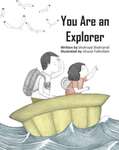
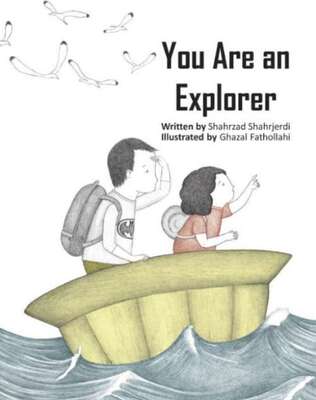
You Are an Explorer (2020) by Shahrzad Shahrjerdi
Farzaneh Shahrtash
This beautifully illustrated book, with exaggerated pictures of two unprotected children, deals with the issue of post-war displacement of children and their families. While the parents of these two explorers are absent for an unknown reason, the older brother is taking care of the younger sister by his creative thinking. He is trying to use the power of his imagination based on care, as a technique to face seemingly unendurable and oppressive situations. The children who discuss You Are an Explorer may not have experienced a real war, may not have been in any post-war situations, and may not have experienced displacement. Perhaps they haven’t even been in contact with those who have been through any of these circumstances, but they can still explore some relevant concepts in this book, opening dialogue with their peers.
Printing is not supported at the primary Gallery Thumbnail page. Please first navigate to a specific Image before printing.